Korean Bibimbap
Highlighted under: Everyday World Food Ideas
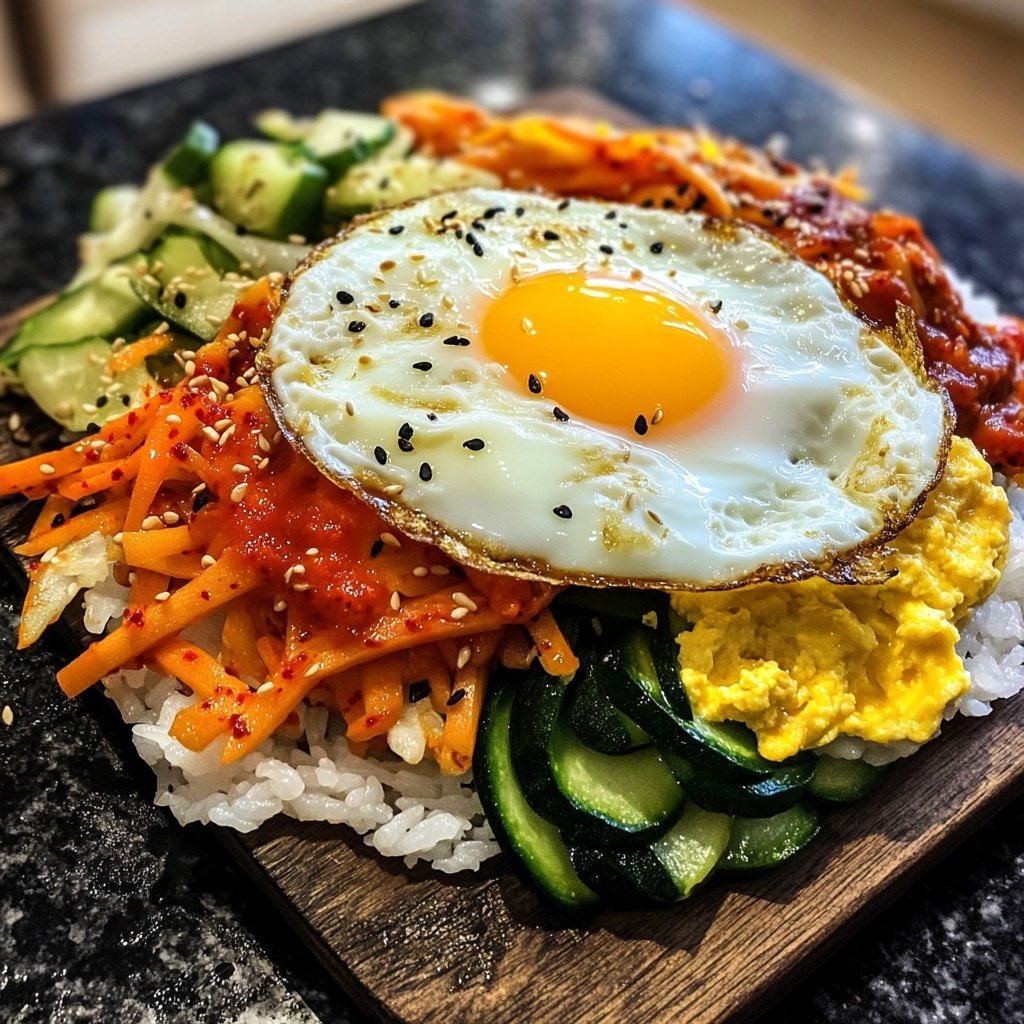
Korean Bibimbap is a vibrant and nutritious dish featuring a mix of vegetables, rice, and protein, all topped with a delicious sauce.
Korean Bibimbap is not just a meal; it's a celebration of flavors and textures. This dish combines fresh vegetables, perfectly cooked rice, and your choice of protein, all harmonized with a spicy gochujang sauce. Enjoy it as a wholesome dinner or a fun meal prep option!
Why You Will Love This Recipe
- A colorful and nutritious meal that is visually appealing
- Customizable with your favorite vegetables and proteins
- The perfect balance of flavors and textures in every bite
A Colorful Feast for the Eyes
Korean Bibimbap is not just a meal; it’s a visual delight. The dish showcases an array of vibrant colors from the fresh vegetables and ingredients, making it as appealing to the eyes as it is to the palate. Each ingredient plays a unique role, contributing not only to the overall flavor but also to the aesthetic presentation. When served in a bowl, the colorful layers invite you to dig in and enjoy a feast that looks as good as it tastes.
The beauty of Bibimbap lies in its versatility. You can easily swap out vegetables based on the season or your personal preferences. Whether you prefer the crunch of cucumbers, the sweetness of bell peppers, or the earthiness of mushrooms, each variation offers something unique. This adaptability makes Bibimbap a fantastic choice for anyone looking to incorporate more vegetables into their diet.
A Balanced Meal in One Bowl
Bibimbap is the perfect example of a balanced meal, combining carbohydrates, proteins, and fats, all in one bowl. The cooked rice serves as the base, providing essential carbohydrates for energy. The addition of sautéed vegetables adds fiber, vitamins, and minerals, while the fried egg offers a rich source of protein and healthy fats. This balance ensures that you feel satisfied and nourished after your meal.
Additionally, the signature gochujang sauce brings a delightful kick of spice and flavor. Its fermented taste not only enhances the dish's complexity but also introduces beneficial probiotics, making Bibimbap a wholesome option that supports gut health. Enjoying a bowl of Bibimbap means indulging in a nutritious meal that doesn’t compromise on flavor or satisfaction.
Gathering Around the Table
One of the best aspects of Bibimbap is its ability to bring people together. Traditionally enjoyed as a communal dish in Korean culture, sharing a large bowl of Bibimbap encourages conversation and connection. Each person can customize their portions, adding more of their favorite ingredients or spice level, making it a fun and interactive dining experience.
Whether you’re hosting a family dinner or a gathering of friends, serving Bibimbap creates an inviting atmosphere. It opens the door for everyone to get involved in the meal preparation, from sautéing the vegetables to arranging their bowls. This shared experience not only enhances the meal but also fosters bonds and memories that can last a lifetime.
Ingredients
Ingredients for Bibimbap
- 2 cups cooked rice
- 1 cup spinach, blanched
- 1 cup bean sprouts, blanched
- 1 carrot, julienned
- 1 zucchini, julienned
- 4 shiitake mushrooms, sliced
- 2 eggs
- 4 tablespoons gochujang (Korean red pepper paste)
- 2 tablespoons sesame oil
- Sesame seeds for garnish
- Salt to taste
Feel free to mix and match your favorite vegetables!
Instructions
Prepare the Vegetables
In a pan, heat a little sesame oil and sauté the zucchini, carrots, and mushrooms separately until tender. Season with salt.
Cook the Eggs
Fry the eggs sunny side up in a separate pan, keeping the yolk runny.
Assemble the Bibimbap
In a large bowl, place the cooked rice as the base. Arrange the sautéed vegetables and blanched spinach and bean sprouts on top of the rice. Place the fried egg in the center.
Serve with Gochujang
Drizzle sesame oil and gochujang over the top, sprinkle with sesame seeds, and mix everything together before eating.
Enjoy your delicious Korean Bibimbap!
Pro Tips
- Add your favorite protein like beef, chicken, or tofu for a heartier meal.
Tips for Perfecting Your Bibimbap
To achieve the best flavor in your Bibimbap, make sure to use high-quality gochujang. This Korean red pepper paste is key to authentic flavor, so don’t skimp on it. If you prefer a milder taste, you can adjust the amount according to your preference, but remember that it’s meant to add depth and a touch of heat to the dish.
When preparing your vegetables, try to cut them into uniform sizes to ensure even cooking. This not only enhances the presentation but also allows for a consistent texture in every bite. Also, consider adding a splash of soy sauce or a sprinkle of sesame seeds to your veggies while sautéing for an extra layer of flavor.
Health Benefits of Bibimbap
Bibimbap is packed with nutrients, making it a great option for those looking to maintain a healthy lifestyle. The variety of vegetables provides a broad spectrum of vitamins and minerals, essential for overall health. Spinach, for example, is rich in iron, while carrots offer a dose of beta-carotene, which is important for eye health.
Moreover, the combination of protein from the egg and fiber from the vegetables will keep you feeling full longer, which can aid in weight management. The healthy fats from the sesame oil also contribute to heart health, making Bibimbap a delicious and nutritious choice for any meal.
Exploring Variations of Bibimbap
While the traditional Bibimbap is delicious on its own, there are numerous variations to explore. For a vegetarian option, simply omit the egg and add more plant-based proteins like tofu or tempeh. You can also experiment with different types of rice, such as brown rice or quinoa, for a healthier twist.
For those who enjoy a bit of crunch, try topping your Bibimbap with crushed nuts or seeds. Additionally, incorporating seasonal ingredients can keep the dish fresh and exciting throughout the year. The possibilities are endless, making Bibimbap a fun dish to customize and enjoy time after time.
Questions About Recipes
→ Can I make Bibimbap vegetarian?
Absolutely! Just skip the egg or use a tofu scramble for a vegan option.
→ What can I substitute for gochujang?
You can use sriracha or a mix of red pepper flakes with a bit of sugar for a similar flavor.
→ How can I store leftovers?
Store the individual components separately in the fridge for up to 3 days.
→ Is Bibimbap gluten-free?
Yes, as long as you use gluten-free gochujang and soy sauce.

Korean Bibimbap
Created by: Cecilia Grant
Recipe Type: Everyday World Food Ideas
Skill Level: Intermediate
Final Quantity: 4 servings
What You'll Need
Ingredients for Bibimbap
- 2 cups cooked rice
- 1 cup spinach, blanched
- 1 cup bean sprouts, blanched
- 1 carrot, julienned
- 1 zucchini, julienned
- 4 shiitake mushrooms, sliced
- 2 eggs
- 4 tablespoons gochujang (Korean red pepper paste)
- 2 tablespoons sesame oil
- Sesame seeds for garnish
- Salt to taste
How-To Steps
In a pan, heat a little sesame oil and sauté the zucchini, carrots, and mushrooms separately until tender. Season with salt.
Fry the eggs sunny side up in a separate pan, keeping the yolk runny.
In a large bowl, place the cooked rice as the base. Arrange the sautéed vegetables and blanched spinach and bean sprouts on top of the rice. Place the fried egg in the center.
Drizzle sesame oil and gochujang over the top, sprinkle with sesame seeds, and mix everything together before eating.
Extra Tips
- Add your favorite protein like beef, chicken, or tofu for a heartier meal.
Nutritional Breakdown (Per Serving)
- Calories: 500 kcal
- Total Fat: 22g
- Saturated Fat: 5g
- Cholesterol: 186mg
- Sodium: 450mg
- Total Carbohydrates: 64g
- Dietary Fiber: 7g
- Sugars: 4g
- Protein: 14g