Spring Vegetable Chowder
Highlighted under: Everyday World Food Ideas
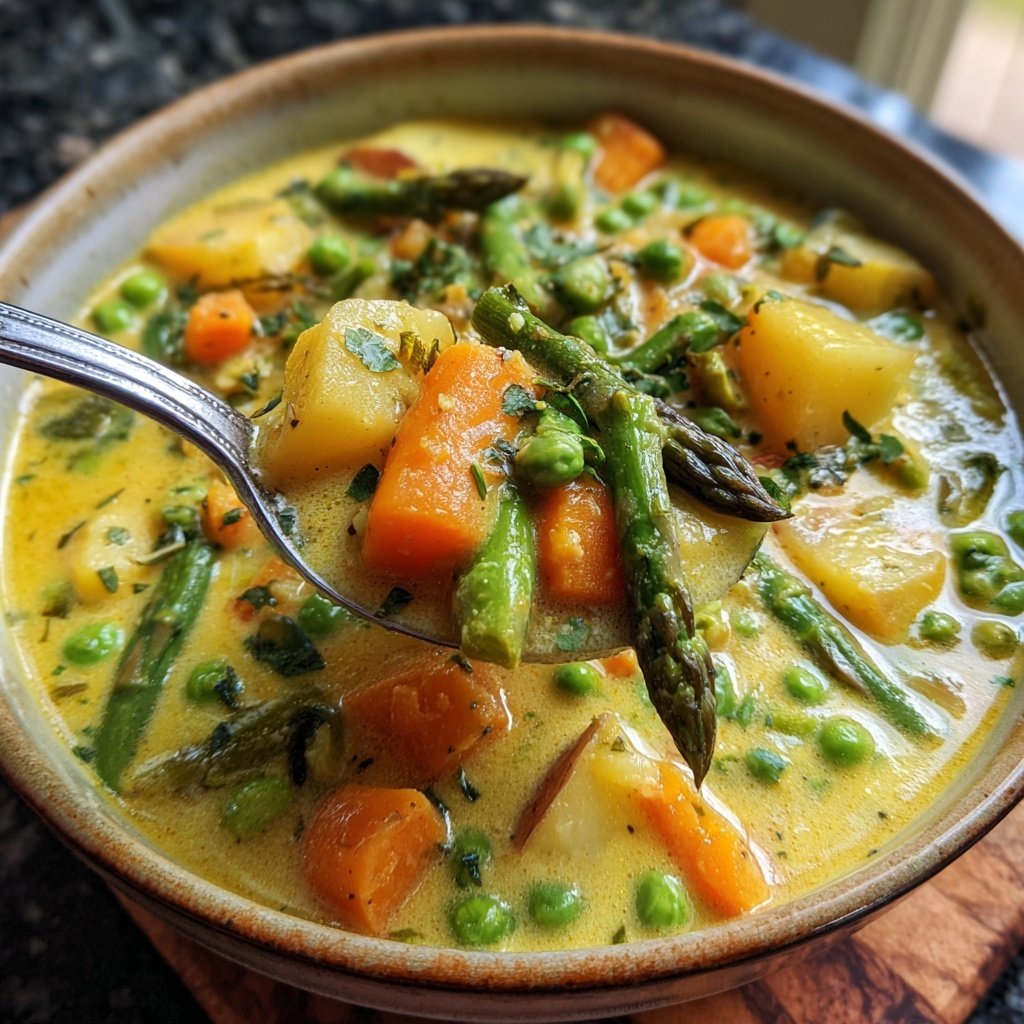
I absolutely adore this Spring Vegetable Chowder! It’s the perfect dish to celebrate the arrival of warmer weather and fresh produce. Each spoonful bursts with vibrant colors and flavors that transport me straight to a sunny farmers' market. I love how the combination of tender spring vegetables creates a delightful creamy texture, while still being light enough to enjoy on a beautiful day. Whether you’re serving it as a light lunch or a cozy dinner, this chowder is sure to impress anyone lucky enough to be at your table.
When I first made this chowder, I was thrilled to use fresh, seasonal vegetables. The simpler ingredients allow the natural flavors to shine through, and I was amazed at how deliciously harmonious they all came together. I like to use a combination of carrots, peas, and potatoes; they give the chowder a wonderful texture.
One tip I found invaluable is to simmer the vegetables just until tender; overcooking can dull that fresh taste we crave in spring. Each bite is like a celebration of the season, making this recipe a weekly favorite in my home.
Why You Will Love This Recipe
- Bursting with fresh, vibrant spring flavors
- Creamy yet light texture that satisfies without weighing you down
- Easy to customize with your favorite seasonal vegetables
Mastering the Texture
For the perfect creamy consistency in this chowder, the key is to balance the cooking time of your vegetables. You want the potatoes and carrots to be tender but not mushy, which usually takes about 20 minutes after adding the broth. Keep an eye on them and adjust the simmering time if needed. If you prefer a thicker chowder, consider mashing a portion of the potatoes before adding the milk. This will enhance the creaminess without the need for heavy cream.
When adding milk to your chowder, do so at a lower heat after simmering with the broth. This prevents the milk from curdling and ensures a smooth blend. Stir it continuously until well incorporated; the chowder should be glossy and inviting, signaling that it’s ready for serving. If you desire a vegan option, substitute regular milk with coconut milk or almond milk, which will still provide the creaminess you’re looking for.
Ingredient Insights
Each vegetable plays a pivotal role in developing the chowder's flavor profile. The onion and garlic serve as aromatic bases, laying the groundwork for a rich taste. Carrots add natural sweetness and a vibrant color, while peas bring freshness and a burst of green that brightens the dish. If you're looking to vary the vegetables, feel free to add asparagus or zucchini during the last few minutes of cooking; they complement the other ingredients beautifully and add depth to the chowder.
The choice of broth can also impact the final flavor. Using homemade vegetable broth will yield a deeper, more complex taste, but store-bought is perfectly acceptable if you're pressed for time. Just be mindful of the salt content, as store-bought varieties can vary widely. Always taste your chowder before serving and adjust seasoning to enhance the natural flavors of your spring vegetables.
Ingredients
Spring Vegetable Chowder Ingredients
- 2 tablespoons olive oil
- 1 medium onion, diced
- 2 cloves garlic, minced
- 2 medium carrots, diced
- 1 cup potatoes, diced
- 1 cup green peas (fresh or frozen)
- 2 cups vegetable broth
- 1 cup milk (or plant-based alternative)
- 1 teaspoon dried thyme
- Salt and pepper to taste
- Fresh parsley for garnish
Mix and match these vegetables based on what’s in season or what you have on hand!
Instructions
Sauté the Vegetables
In a large pot, heat the olive oil over medium heat. Add the diced onion and garlic, cooking until softened, about 5 minutes.
Add the Remaining Veggies
Stir in the carrots and potatoes, cooking for another 5 minutes before adding the peas.
Simmer the Chowder
Pour in the vegetable broth and bring to a simmer. Add the dried thyme, salt, and pepper, letting it cook for 20 minutes until the vegetables are tender.
Stir in the Milk
Lower the heat and pour in the milk, stirring until combined. Heat for an additional 5 minutes, then remove from heat.
Serve and Garnish
Ladle the chowder into bowls and garnish with fresh parsley before serving.
This chowder is best enjoyed fresh, but it also stores well in the fridge for a few days!
Pro Tips
- For an extra touch, blend a portion of the chowder and stir it back in for a creamier texture without adding too much dairy.
Make-Ahead and Storage Tips
This Spring Vegetable Chowder is an excellent candidate for meal prep. You can cook the entire dish ahead of time, let it cool to room temperature, and then store it in an airtight container in the refrigerator for up to 3 days. When you're ready to enjoy, gently reheat it on the stove over medium heat until warmed through, taking care not to boil it, as this could alter the creamy texture.
For longer storage, consider freezing portions of the chowder in freezer-safe containers. It will keep well for up to 3 months. To reheat, thaw it overnight in the fridge and then reheat on low heat until heated through, adding a splash more milk if it becomes too thick after freezing.
Serving Suggestions
This chowder is versatile and can be served in various ways. For a more substantial meal, consider pairing it with crusty bread or a light salad topped with a zesty vinaigrette. A drizzle of olive oil just before serving can also elevate the flavors, bringing out the freshness of the vegetables beautifully.
For added protein, consider adding some cooked chicken or chickpeas to each bowl just before serving. Garnish with a sprinkle of freshly cracked black pepper and a squeeze of lemon juice to brighten the rich, creamy flavors of the chowder. It's a great way to make the dish heartier while still celebrating the vibrant spring vegetables.
Questions About Recipes
→ Can I make this chowder vegan?
Yes, just substitute the milk with a plant-based alternative and ensure the vegetable broth is vegan-friendly.
→ How can I store leftovers?
Store the chowder in an airtight container in the refrigerator for up to 3 days. Reheat on the stove or microwave.
→ Can I add more vegetables?
Absolutely! Feel free to include seasonal favorites like zucchini or bell peppers for added flavor and nutrition.
→ Is this recipe gluten-free?
Yes, just ensure your vegetable broth is gluten-free, and you're good to go!

Spring Vegetable Chowder
Created by: Cecilia Grant
Recipe Type: Everyday World Food Ideas
Skill Level: Intermediate
Final Quantity: 4 servings
What You'll Need
Spring Vegetable Chowder Ingredients
- 2 tablespoons olive oil
- 1 medium onion, diced
- 2 cloves garlic, minced
- 2 medium carrots, diced
- 1 cup potatoes, diced
- 1 cup green peas (fresh or frozen)
- 2 cups vegetable broth
- 1 cup milk (or plant-based alternative)
- 1 teaspoon dried thyme
- Salt and pepper to taste
- Fresh parsley for garnish
How-To Steps
In a large pot, heat the olive oil over medium heat. Add the diced onion and garlic, cooking until softened, about 5 minutes.
Stir in the carrots and potatoes, cooking for another 5 minutes before adding the peas.
Pour in the vegetable broth and bring to a simmer. Add the dried thyme, salt, and pepper, letting it cook for 20 minutes until the vegetables are tender.
Lower the heat and pour in the milk, stirring until combined. Heat for an additional 5 minutes, then remove from heat.
Ladle the chowder into bowls and garnish with fresh parsley before serving.
Extra Tips
- For an extra touch, blend a portion of the chowder and stir it back in for a creamier texture without adding too much dairy.
Nutritional Breakdown (Per Serving)
- Calories: 320 kcal
- Total Fat: 10g
- Saturated Fat: 2g
- Cholesterol: 10mg
- Sodium: 400mg
- Total Carbohydrates: 49g
- Dietary Fiber: 7g
- Sugars: 6g
- Protein: 9g